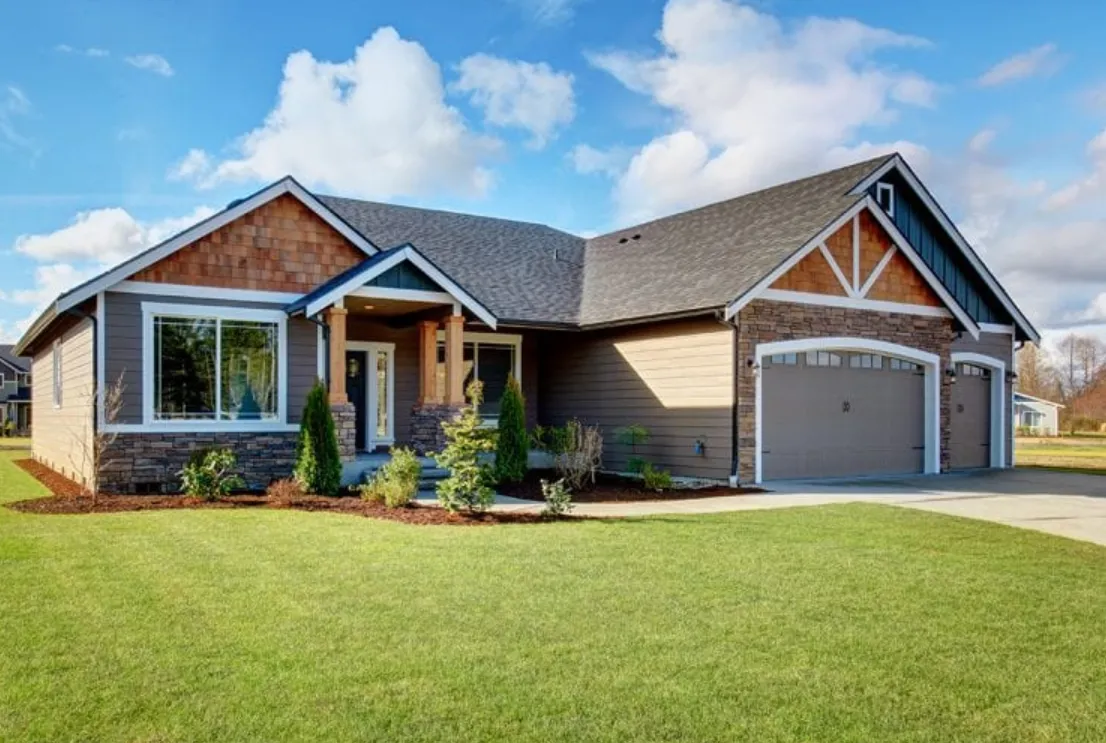
Australia is aging fast. By 2057, one in four Australians will be over 65. That is not a trend. That is a tidal wave. Retirement housing demand is rising with it, and so is the pressure to make smart buying decisions. Most people spend more time picking a car than picking a retirement home. That is a mistake. Before you look at floor plans or sunrise views, you need facts. The Centennial Living retirement homes for sale are built around a model that balances ownership, community, and support. But buying one is not the same as buying a regular house. The rules are different. The costs are different. The lifestyle implications are different too.
What Is a Retirement Village Home and How Is It Different?
A retirement village home is not freehold property. You do not own the land. You buy a right to occupy the dwelling under a retirement village agreement. In Australia, this is regulated under each state’s Retirement Villages Act. In Victoria, the Retirement Villages Act 1986 governs contracts, exit fees, and dispute rights. This is not a loophole. It is the structure. You are buying a lifestyle and a lease, not a land title. That distinction matters enormously at tax time and when you eventually sell.
What Are the Real Costs Beyond the Purchase Price?
The sticker price is only part of the story. Retirement village residents pay ongoing fees that cover maintenance, amenities, and services. These are called general service charges. They average around $400 to $600 per month in Australian villages. On top of that, most villages charge a deferred management fee, also called a departure fee or exit fee. This can range from 20% to 40% of the ingoing price, deducted when you leave. In some contracts, capital gains are shared with the village operator. Read every line before signing. A $450,000 home with a 30% exit fee means you walk away with $315,000 on the way out.
Is Centennial Living a Registered and Regulated Provider?
Yes. Centennial Living operates under Australian retirement village legislation. Villages must comply with consumer protection laws, mandatory disclosure statements, and cooling-off periods. Under Victorian law, you have 21 days to withdraw from a contract after signing. Operators must provide a disclosure statement at least 21 days before settlement. This document outlines all fees, services, rules, and financial structures. If you do not receive one, that is a red flag. Centennial Living provides this documentation as part of their standard sales process.
What Support Services Come With the Home?
Centennial Living homes are designed for independent retirees who want community without dependency. Residents have access to shared facilities like libraries, gardens, gyms, and social programs. On-site management handles maintenance and security. Emergency call systems are typically included. Home care can be arranged separately through My Aged Care, Australia’s federal aged care gateway. As of 2024, there are over 900,000 Australians receiving some form of home care support. Buying in a managed village gives you the infrastructure to age in place comfortably, without moving to a care facility prematurely.
How Do You Assess the Village’s Financial Health?
Ask for the village’s audited financial statements. Village operators in Victoria must hold resident funds in trust and disclose them annually. Look at the capital works reserve fund. This fund pays for major maintenance like roof replacements, road resurfacing, and pool upgrades. A depleted reserve means you could face a special levy down the track. Ask the operator directly: what is the reserve balance and what work is planned in the next five years? If they cannot answer clearly, that is information too.
What Do Residents Actually Say About Life There?
Peer research from National Seniors Australia found that 80% of retirement village residents report high satisfaction with their lifestyle. Social connection is the number one reason people move in. Isolation is a serious health risk for older Australians. Studies link it to a 26% increased risk of dementia. Living in a community where neighbours know your name is not a luxury. It is a health strategy. Centennial Living’s model is built around this. Shared spaces, organised activities, and a managed environment reduce isolation without removing independence.


